Have football stars become more important than clubs? The
The international football landscape is changing: the modern football fan increasingly follows individual superstars rather than a regular club. With the 2026 World Cup approaching, the influence of the personality and reach of these top players will only increase.
Have football stars become more important than clubs? The
According to Bbc.
Background
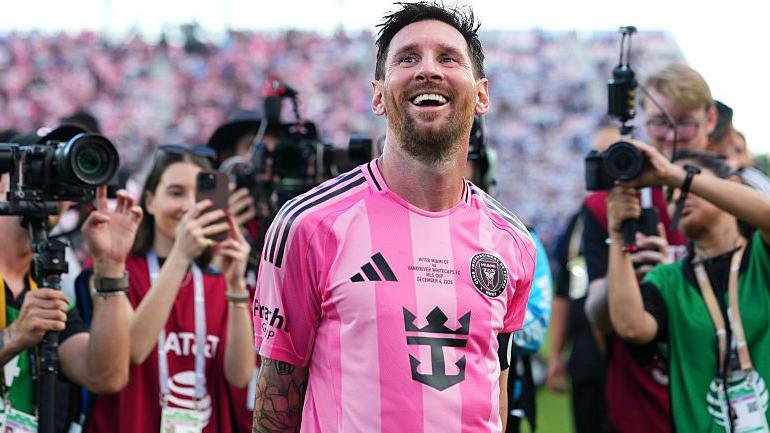
Lionel Messi's recent transfer to Inter Miami has not only cemented his status as a player, but also changed the way fans connect with the sport. His presence in the MLS has led to explosive growth in social media followers and merchandise sales, demonstrating just how important individual players have become in modern football. This highlights the evolution of the role of players in clubs' marketing strategies.
Why this matters
The shift in fan experience from club loyalty to individual stars such as Lionel Messi has major implications for the future of football. This phenomenon not only influences the way supporters identify with teams, but also how clubs position themselves in the transfer market. The appeal of football stars can significantly increase merchandise sales and the popularity of competitions.
Key points
- Have football stars become more important than clubs? The.
- The international football landscape is changing: the modern football fan increasingly follows individual superstars rather than a regular club.
- Messi, Ronaldo, Haaland: Are fans now more invested in star names than clubs? - BBC Sport.
Football as a sport has been characterized by club loyalty and local rivalries for decades. Yet we see a shift among the younger generation of supporters: the club emblem is no longer sacred, but names like Lionel Messi, Cristiano Ronaldo and Erling Haaland determine what makes the heart beat faster. This development has major consequences for international football and the way fans experience major tournaments.
Lionel Messi's transfer to Inter Miami was a major global media stunt. The bright pink shirt sold out in no time and the number of followers on social media increased explosively. It is remarkable that you see these shirts in European cities without any direct connection with Miami itself. According to sports marketer James Kirkham, it's all about the star player: "The players are the magnet, not the team." This phenomenon is clearly visible in the digital age, thanks in part to video games such as EA Sports FC and Football Manager, which have turned players into true brand icons.
The emotionality with which generations once supported a club remains, but a second phenomenon is emerging among the youth: the second team. According to a study among international fans, 80% also follow other teams in addition to their 'main club'. This often happens out of admiration for a particular player, or because there is sympathy for the culture or even the shirt. Stars such as Jude Bellingham, Son Heung-min and Lamine Yamal are closely followed, regardless of their club colour.
This individualization is even more strongly stimulated by social media. Many top players have their own YouTube channel, are active on Instagram or TikTok and manage to reach and engage millions of young people in this way. Even goalkeepers like Vozinha from Cape Verde saw themfollower numbers skyrocket after the World Cup thanks to a striking performance. Haaland is now more popular on social media than his club Manchester City and knows how to connect fans worldwide through his quirky content and transparency.
For clubs this is a double-sided sword. On the one hand, they benefit from the arrival of a global icon, such as the boost in followers for Tottenham Hotspur during the Son Heung-min era. But the challenge is big: will those fans stay when the star leaves? Clubs try to distinguish themselves with unique content and an insight behind the scenes, but for many fans it is mainly about the individual heroes.
With the 2026 World Cup approaching, national teams can respond to this. Powerful personalities, stories behind the players and their connection with the fans are becoming more important than ever. The trend is clear: the modern fan follows the star, not the club.
What's happening now
With the 2026 World Cup on the horizon, the influence of stars like Messi and Ronaldo is expected to increase further. Clubs may focus more on attracting such players to strengthen their brand and attract new fans. This could also impact strategies in the summer transfer window, with clubs focusing more on signing players who not only have talent, but also strong appeal to the fanbase.
Frequently Asked Questions
Who is Lionel Messi?
Lionel Messi is one of the most famous football players in the world and is at the center of the discussion about the influence of stars over clubs.
Where has Lionel Messi moved?
Lionel Messi has made a transfer to Inter Miami.
Why did Lionel Messi choose Inter Miami?
The transfer to Inter Miami was a global media stunt and led to an explosive increase in followers on social media.
What is the status of Lionel Messi's transfer?
The transfer of Lionel Messi to Inter Miami is official and has received a lot of attention in the media.
What role do stars like Messi play in modern football?
Stars like Messi have become more important than clubs because they attract fans and drive merchandise sales.
Related articles
- >
- Manchester City shows interest in Enzo Fernandez, but
- Turkish sports journalist arrested after incorrect transfer rumors
Related articles
- >
Related articles
Related articles
Related articles
Teams
Atlético Madrid richt zich na transferperiode op cruciale
Atlético Madrid gaat na een hectische transferperiode, waarin de toekomst van Julián Álvarez centraal stond, op bezoek bij Athletic Club. Nu de Argentijn tot de winterstop in Madrid blijft, kan de ploeg zich volledig richten op de competitie. Het treffen in het San Mamés is een belangrijk moment voor de 'colchoneros' om aansluiting te houden bij de top van La Liga.
Teams
Sandro Wagner in opspraak na rel met oud-speler bij FC
Voormalig FC Augsburg-speler Mads Pedersen heeft in een interview openheid gegeven over zijn conflict met voormalig trainer Sandro Wagner. Volgens Pedersen zou Wagner hem en een teamgenoot als 'ratten' hebben bestempeld, wat uiteindelijk tot hun verwijdering uit de selectie leidde. Sandro Wagner begon onlangs aan een nieuw trainersavontuur bij Hannover 96.
Teams
PSG komt moeilijk tot winst, Luis Enrique grapt
PSG ligt onder het vergrootglas na puntenverlies. Luis Enrique pareert de kritiek met humor en vertrouwen in het spel van zijn team, en wijst op de dominantie die volgens hem normaal gesproken tot winst leidt.
Teams
Treviso sportief in de lift: Strano blikt vooruit op clash
Treviso presteert opvallend goed in de beginfase van het Serie C-seizoen. Technisch directeur Pierfrancesco Strano is tevreden over de groei van het elftal, prijst de recente vernieuwingen en kijkt vol vertrouwen uit naar het duel met Desenzano.