Draw Phase Competition Champions League 2026/27 completed in
The ceremony in Monte Carlo concluded the 2026/27 Champions League draw. Explanation of the League Phase format, placement pots and what this means for clubs and fans.
Champions League 2026/27 Phase Competition draw completed in
According to Tuttomercatoweb.
Background
The 2026/27 Champions League introduces a new format that replaces the traditional groups with a Phase Competition, in which each club plays against eight different opponents. This offers a unique opportunity for clubs to compete against both heavyweights and challengers from different countries. The draw in Monte Carlo has laid the foundation for a season full of competition and excitement, where consistency is of great importance.
Why this matters
The draw for the 2026/27 Champions League Phase Competition is a crucial moment for clubs and fans as it determines the opponents and fixtures for the coming season. This new format, which places 36 teams in one large table, promises exciting matches and increased competition, increasing the appeal of Champions League football. For many clubs, reaching the top eight is essential to qualify directly for the knockout phase.
Key points
- Champions League 2026/27 Competition Phase draw completed in.
- The ceremony in Monte Carlo concluded the 2026/27 Champions League draw.
- Sorteggio Fase Campionato Champions League 2026/27, rivivi tutta la cerimonia.
The draw for the Competition Phase of the Champions League 2026/27 has been completed from the Grimaldi Forum in Monte Carlo. With the end of the ceremony, the European stage for next season has been broadly outlined and clubs and fans know where they stand for the start of the new Champions League format.
Since the reform, the Champions League has worked with a Phase Competition (also called League Phase), in which 36 teams participate in one large table. Instead of traditional groups, each club plays eight matches against eight different opponents: four at home and four away. The draw determines these eight opponents, based on placement pots that are classified according to the European coefficients. Teams are drawn against opponents from multiple pots, so that the program per club contains a balanced mix of heavyweights and challengers. Country conflicts are, as usual, avoided in the draw.
The rankings will be drawn up after the eight rounds. The top eight qualify directly for the eighth finals. The teams finishing in places 9 to 24 will play a double play-off for the remaining tickets for the knockout phase. Numbers 25 to 36 have been played in Europe. This means that the old 'third place progression' to the Europa League will disappear: the Competition Phase requires consistency from September to winter.
For supporters, the completion of the draw means that the first contours of the European season are visible. The exact match days, kick-off times and TV schedules will be confirmed by the organizing association and the participating clubs. The Competition Phase is traditionally completed over eight rounds, spread between autumn and New Year's Eve. The new format makes top posters morespread across the calendar, which increases the number of squatters per round.
The draw is also relevant for Dutch football: coefficient points and performance on this highest European stage weigh heavily in the position of the Eredivisie in the rankings. Fans in the Netherlands can prepare for new European evenings, with a schedule that has more variation per club than in the previous group phase.
With the ceremony in Monte Carlo officially behind us, the run-up to the 2026/27 Competition Phase has begun. As soon as the full match schedule per club has been confirmed, more clarity about travel plans, ticket sales and the exact dates will follow. One thing is certain: the path to the knockout stages has been clearly mapped out for all participants — now it's up to the clubs to make it happen on the pitch.
What's happening now
With the draw completed, clubs can now prepare for their specific opponents and the strategies required to be successful in the Competition Phase. Fans can look forward to the first matches starting in September, and the excitement of Champions League football will undoubtedly grab the attention. The coming months will determine clubs' chances to advance to the next round and realize their ambitions in Europe.
Frequently Asked Questions
What happened to the 2026/27 Champions League?
The draw for the Competition Phase of the 2026/27 Champions League has been completed in Monte Carlo.
Who confirmed the draw for the Champions League?
The draw was completed from the Grimaldi Forum in Monte Carlo.
Why has the draw for the Champions League been completed now?
The draw has been completed to give clubs and fans insight into the new Champions League format for the coming season.
What are the changes in the Champions League 2026/27?
The Champions League now works with a Phase Competition in which 36 teams participate in one large table, and each club plays eight matches against different opponents.
What does the completion of the draw mean for supporters?
For supporters, the completion means that the first contours of the European season are visible, although exact match days and kick-off times have yet to be confirmed.
Related articles
- Real Betis faces tough opponents in Champions League
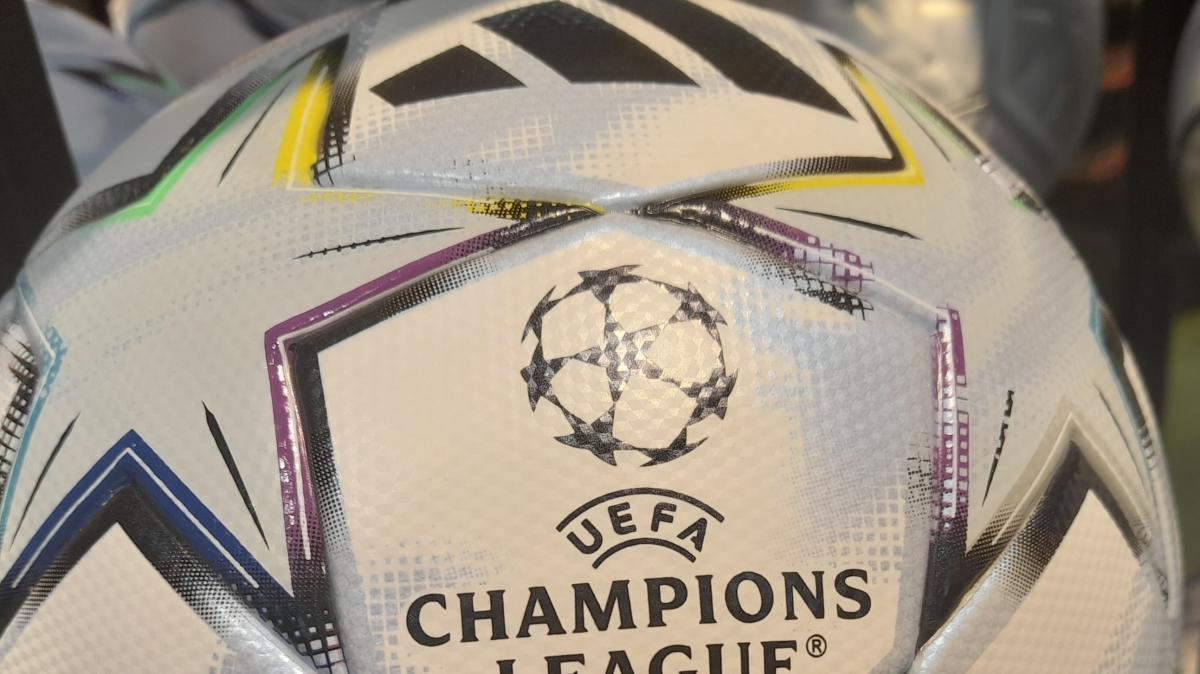
- The new Champions League ball unveiled
- Manchester City and Aston Villa follow Rennes striker Estéban
Related articles
- >
Related articles
Teams
Geen sanctie voor Florentino Pérez na uitspraken
De RFEF heeft besloten geen actie te ondernemen tegen Florentino Pérez na zijn controversiële opmerkingen over corruptie binnen het scheidsrechterskorps. Deze beslissing komt na klachten van de scheidsrechtersvereniging die Pérez beschuldigde van een aanhoudende aanvallen op het arbitrale systeem.
Teams
Zinedine Zidane leidt eerste training van de Franse
Zinedine Zidane is begonnen aan zijn nieuwe rol als bondscoach van Frankrijk. In Clairefontaine leidde hij voor het eerst de training, waarmee hij een nieuw tijdperk inluidt voor Les Bleus en direct zijn stempel drukt op het team, ter voorbereiding op de Nations League.
HomePage
Real Madrid veroordeelt journalist voor onacceptabele
Real Madrid heeft de vergelijking van journalist Juanma Castaño tussen Real Madrid TV en de omstreden krant Gara scherp veroordeeld in een officiële verklaring. Castaño's column heeft veel stof doen opwaaien in de media.
Transfers
Lewis Hall legt transferkeuze uit na interesse van
Lewis Hall heeft zijn keuze om bij Newcastle United te blijven toegelicht, ondanks de belangstelling van Manchester United. De jonge verdediger heeft zijn contract verlengd tot 2031 en spreekt over zijn motivatie.