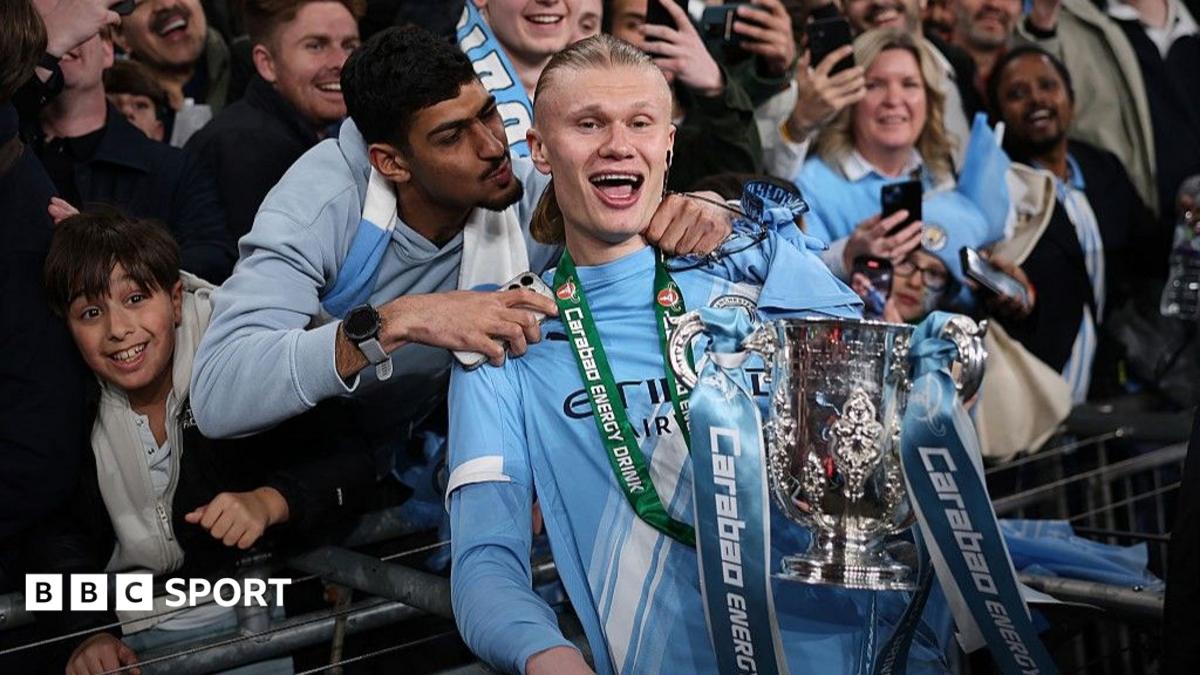
Carabao Cup 2026-27: This is how prize money works in the EFL Cup
Explanation of prize money and revenue streams in the EFL Cup (Carabao Cup), with differences compared to the FA Cup and examples of receipts and TV fees.
Carabao Cup 2026-27: this is how the prize money works in the EFL Cup
According to Bbc.
Background
The Carabao Cup is an important competition in English football, where clubs compete not only for the trophy, but also for financial benefits that can influence their season. The way prize money and income are structured makes it crucial for clubs to perform well and make the most of their competitions.
Why this matters
The Carabao Cup, or EFL Cup, offers a unique financial structure that differs from other cup competitions such as the FA Cup. The equal distribution of receipts could be especially beneficial for lower division clubs, which might otherwise generate less revenue. This makes the EFL Cup an important opportunity for these clubs to acquire additional financial resources, which can improve their season outlook.
Key points
- Carabao Cup 2026-27: this is how prize money works in the EFL Cup.
- Explanation of prize money and revenue streams in the EFL Cup (Carabao Cup), with differences compared to the FA Cup and examples of receipts and TV fees.
- Carabao Cup 2026-27: How does prize money work in the competition?.
The Carabao Cup, officially the EFL Cup, has had its own prize money model for years, which clearly differs from other cup tournaments in England and Europe. While competitions such as the FA Cup and the Champions League pay out increasing premium amounts per round, in the EFL Cup specific round prizes are only available from the semi-finals onwards. The total prize money at the top is also relatively limited: the winner receives £100,000. By comparison, the FA Cup winner will pocket just over £2.1 million this season.
What does that mean in practice for clubs? In the Carabao Cup, the financial value lies largely in other sources of income. An important pillar is the equal distribution of the receipts. Regardless of which teams face each other, revenue from ticket sales for a match is shared fifty-fifty. This can be particularly beneficial for clubs from the lower divisions when they play away at a top club with a large stadium. A calculation example: if 40,000 tickets are sold at £20, this will yield £800,000 in receipts. Thanks to the equal distribution, half of this goes directly to the away club - a significant windfall compared to regular competition matches.
In addition, the so-called Facility Fees play a role: compensation that clubs receive when their match is broadcast live. If a match is placed on Sky Sports' main channel, a club can expect compensation from £75,000, with an increasing schedule as the tournament progresses. Anyone who travels far and regularly appears on TV can thus collect a significant sum through broadcast fees and receipts, even without the large round premiums that are common elsewhere.
At a macro level, the Carabao Cup is worth around £110 million annually to the English Football League. Of that, around £70m flows as central payments to EFL clubs, while both PremierLeague and EFL clubs generate additional income from direct sources such as ticket sales and TV fees per match. It underlines the hybrid nature of the tournament: less focus on a large prize sum at the end, more emphasis on shared receipts and media funds along the way.
Compared to the FA Cup – in which prize money is structured per round, including preliminary rounds – the Carabao Cup requires a different financial strategy. For lower division clubs, a favorable draw, preferably against a top club in a full stadium and preferably with live TV, can be just as financially interesting as sporting progress. For Premier League clubs, the model offers a means to cover costs and keep the selection broadly employable, while the tournament remains attractive thanks to full stadiums and television coverage.
In short: in the EFL Cup the profit lies less in the trophy check and more in the sum of receipts, TV fees and exposure. The champion gets £100,000, but along the way, smart clubs with huge public interest and TV airtime can realize many times that in income.
What's happening now
With the current structure of prize money and revenue in the EFL Cup, clubs can focus on maximizing their match impact by attracting as many fans to the matches as possible. The Facility Fees can also play a strategic role in their plans, especially as they progress through the tournament. Clubs will have to prepare for the next rounds, where a good performance can be not only sportingly, but also financially beneficial.
Frequently Asked Questions
What is the prize money for the winner of the Carabao Cup?
The winner of the Carabao Cup will receive £100,000.
How does the EFL Cup prize money differ from other cup competitions?
In the EFL Cup, specific round prizes are only available from the semi-finals onwards, while other tournaments such as the FA Cup pay out increasing bounty amounts per round.
How are the revenues from ticket sales distributed in the Carabao Cup?
The income from ticket sales is divided equally; Regardless of the teams, the receipt is shared fifty-fifty.
What are Facility Fees in the Carabao Cup?
Facility Fees are fees that clubs receive when their match is broadcast live, starting from £75,000 for broadcast on Sky Sports' main channel.
What is the impact of the Carabao Cup on the financial situation of clubs?
The Carabao Cup provides financial value to clubs through an equal distribution of revenue and Facility Fees, which can be especially beneficial for lower division clubs.
Related articles
- Mauro Júnior did not think that PSV played a bad match
- Appropriate euphoria at Fortuna Sittard after strong
Related articles
- >round Carabao Cup 2026-27 upcoming: this
Related articles
Teams
Super League: Wakefield-prop Emre Guler mist resterende
Wakefield-triof Emre Guler krijgt twee duels schorsing voor slaan en mist daardoor de halve finale tegen Wigan en een eventuele Grand Final. Andere disciplinaire beslissingen: boetes voor Mike McMeeken en James Harrison; geen verdere actie tegen Luke Yates; Peta Hiku twee wedstrijden geschorst.
Teams
Atlético Madrid richt zich na transferperiode op cruciale
Atlético Madrid gaat na een hectische transferperiode, waarin de toekomst van Julián Álvarez centraal stond, op bezoek bij Athletic Club. Nu de Argentijn tot de winterstop in Madrid blijft, kan de ploeg zich volledig richten op de competitie. Het treffen in het San Mamés is een belangrijk moment voor de 'colchoneros' om aansluiting te houden bij de top van La Liga.
Teams
Sandro Wagner in opspraak na rel met oud-speler bij FC
Voormalig FC Augsburg-speler Mads Pedersen heeft in een interview openheid gegeven over zijn conflict met voormalig trainer Sandro Wagner. Volgens Pedersen zou Wagner hem en een teamgenoot als 'ratten' hebben bestempeld, wat uiteindelijk tot hun verwijdering uit de selectie leidde. Sandro Wagner begon onlangs aan een nieuw trainersavontuur bij Hannover 96.
Teams
PSG komt moeilijk tot winst, Luis Enrique grapt
PSG ligt onder het vergrootglas na puntenverlies. Luis Enrique pareert de kritiek met humor en vertrouwen in het spel van zijn team, en wijst op de dominantie die volgens hem normaal gesproken tot winst leidt.